
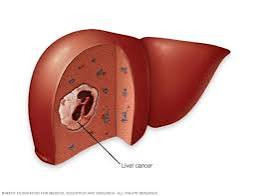
DEAR MAYO CLINIC: My spouse has been diagnosed with liver cancer. We're wondering what kind of treatment she may need and how her doctors will determine that.
ANSWER: Liver cancer can be hard to detect because there often isn't pain or other symptoms. Treatment decisions are often complex and require a multidisciplinary team. Liver health and cancer characteristics are key to choosing the most effective treatments.
The liver is an organ about the size of a football and serves a vital role, including:
- Filtering and detoxifying harmful substances.
- Processing and storing nutrients.
- Producing proteins, clotting factors and bile, which helps remove waste and digest fats.
- Regulating metabolism.
- Guarding against infection.
While alcohol, smoking, obesity, diabetes, high blood pressure and cholesterol, diet, and genetics can contribute to liver cancer, the leading cause worldwide is hepatitis B and C.
The main type of liver cancer is hepatocellular carcinoma (HCC).
HCC starts in the liver cells. Factors for determining what treatments will be most effective include:
- Stage of the cancer.
- Health of the liver and why it became unhealthy.
- Number and size of the tumors and if they have metastasized.
The care team guiding treatment decisions may include a hepatologist, who specializes in liver disease, as well as surgeons, medical and radiation oncologists, and interventional radiologists. There are many potential treatments available, particularly for people with earlier-stage disease. Determining which is appropriate requires considering the whole picture.
Liver cancer is staged differently from many other cancers. HCC can be assigned the familiar stages of 1 through 4. More often, another system that accounts for liver health is used. The Barcelona criteria (BCLC) stages cancer at 0, A, B, C and D. Many patients are already at stage B when they're diagnosed but can have a good treatment outlook. Cancers at stage C typically can't be cured. Patients with stage D disease may be best served with treatments based on symptoms, not the tumor.
Imaging plays an important role in diagnosis and determining the best treatment plan. HCC can often be diagnosed without a biopsy. Specialists who regularly evaluate liver imaging can help determine which treatment options make the most sense for each patient.
For someone with a well-functioning liver and a small tumor, treatment to destroy or remove the tumor is often an option. High-quality imaging helps pinpoint the tumor's size and location. This information helps the care team choose the least invasive treatment that will effectively treat the cancer while preserving as much healthy liver tissue as possible.
Surgery used to be routinely recommended for tumors smaller than 2 centimeters. However, ablation, or inserting a small needle into the tumor to burn it, often can provide the same result as surgery.
Preserving as much of a healthy liver as possible is particularly important because it doesn't regenerate in the way people may imagine. For instance, if the right side of the liver is removed, the structures lost don't grow back. Instead, the remaining liver tissue grows larger.
When removing a tumor, we need to ensure the amount of liver left behind is enough for the person to live with. For someone with a healthy liver, about 25% of their liver may be enough. For someone with liver disease or concerns about liver function, about 40% is needed.
For some patients, we can use highly selective treatments that deliver medication or radiation beads through an artery supplying the tumor. These approaches destroy the tumor or slow its growth while limiting damage to the rest of the liver.
If someone has poor liver function but has a tumor or tumors that meet the appropriate criteria, a liver transplant may be an option. Transplant is considered the gold standard for curing liver cancer. After recovery, well-selected patients can expect a long and relatively normal life.
In more advanced disease, treatment may have a different goal. The cancer may not be cured, but treatment can help someone live longer or more comfortably. Medical oncologists can also help shrink liver tumors using systemic treatments such as immunotherapy or targeted therapy.
Particularly with early-stage liver cancer, it's essential to determine whether there are ongoing causes of liver damage that can be eliminated. For example, if a liver is unhealthy due to alcohol abuse, some damage can be undone, or the liver can recover to some degree when someone stops drinking. In patients who suffer from liver damage related to metabolic associated steatotic liver disease (MASLD), dietary and lifestyle changes and even some medications may help reduce risks and liver injury.
Patients with a possible liver tumor should talk with their healthcare team about all treatment options and seek care at a center that regularly treats liver disease and liver cancer.
Susanne Warner, M.D., Hepatobiliary and Pancreas Surgical Oncology, Mayo Clinic Comprehensive Cancer Center, Rochester, Minnesota