
DEAR MAYO CLINIC: I was recently diagnosed with a brain tumor, and I'm terrified of the idea of brain surgery. Are there less invasive treatment options available, and how do doctors decide which one is the best?
ANSWER: It's completely understandable to feel nervous or afraid. A brain tumor diagnosis is overwhelming on its own, and many people immediately picture an extensive, open skull operation.
The good news is that brain tumor treatment has advanced significantly, and not every tumor requires the same approach. In some cases, less invasive treatments may be an option. In others, a more traditional operation, such as a craniotomy, remains the safest and most effective choice. What's most important to know is that treatment is individualized for each patient.
Treatment options
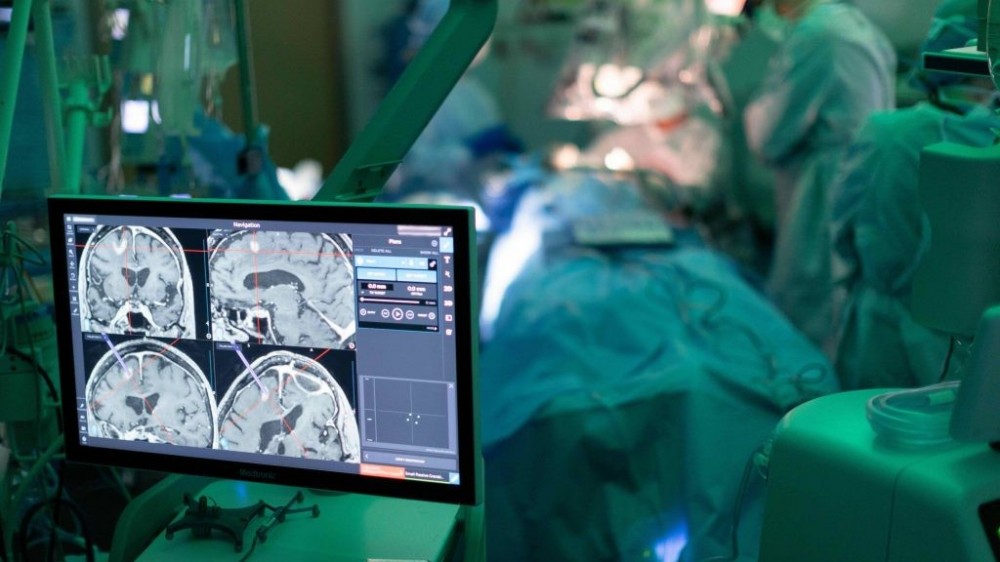
Planning your treatment often begins with highly detailed imaging, such as a brain MRI or a positron emission tomography (PET) scan. These images help surgeons carefully map the tumor and identify the safest, most precise path for treatment. Advanced imaging also helps care teams understand which nearby areas of the brain control important functions such as speech, movement and vision, and helps ensure those structures are protected as much as possible.
Minimally invasive treatment approaches include:
- Endoscopic surgery. For some tumors, surgeons can use an endoscope — a thin tube with a camera and specialized instruments — to reach the tumor through small natural pathways such as the nose. Certain tumors near the base of the skull and many pituitary tumors can be treated using this approach.
- Burr hole/mini craniotomy approach. For select lesions close to the brain's surface, surgeons may be able to remove the lesion through a tiny opening in the skull that is only millimeters wide. This technique uses a camera system positioned above the surgical area to view the tumor with high magnification.
Minimally invasive treatment doesn't always involve surgery in the traditional sense. For some brain tumors, highly focused stereotactic radiosurgery may be part of the treatment plan or, in certain cases, an alternative to surgery. Gamma Knife and proton beam therapy are examples of treatments that deliver focused radiation to a tumor without any cuts or openings in the skull, but with precision comparable to that of a surgical tool.
Considerations
Your doctor will consider several factors when deciding which approach is best for you, including:
- The type of tumor. Some tumors are more suitable for minimally invasive treatments than others.
- The size and location of the tumor. Tumors near critical areas that control speech, movement, vision or other important functions require especially careful planning.
- The goal of treatment. Sometimes the goal is to remove as much of the tumor as possible. In other cases, it may be to obtain a diagnosis, relieve pressure, control symptoms or a combination of these.
- Safety. The safest approach is always a major consideration, even if it's not the least invasive.
- The patient's overall health. Age, symptoms and other medical conditions can all affect which treatment makes the most sense.
A less invasive treatment can offer real benefits when it's the right fit. Potential advantages may include less injury to nearby healthy tissue, fewer complications, less postoperative pain, a shorter hospital stay and a quicker recovery. That said, the newest or least invasive technique isn't automatically the best option. The right approach is the one that offers the best outcome with the lowest risk, even if that means a more traditional operation is the safer choice for a particular tumor.
Team approach
This is also why brain tumor treatment is often planned by a multidisciplinary team. Depending on the situation, that team may include specialists in neurosurgery, otolaryngology (ENT), radiation oncology, medical oncology, neuroradiology, neuropathology, neuroanesthesiology and other healthcare professionals. This collaborative approach helps ensure treatment is tailored to each patient rather than relying on a one-size-fits-all strategy.
The bottom line is that brain tumor treatment is highly individualized. Some patients may benefit from minimally invasive surgery, while others may require a traditional open procedure. In some cases, focused radiation — such as proton beam therapy or Gamma Knife — may be the most appropriate option, either on its own or as part of a broader treatment plan.
What matters most is careful evaluation, thoughtful planning and a personalized recommendation based on safety, effectiveness, and a patient's goals and quality of life.
Fredric B. Meyer, M.D., Neurosurgery, Mayo Clinic, Rochester, Minnesota