
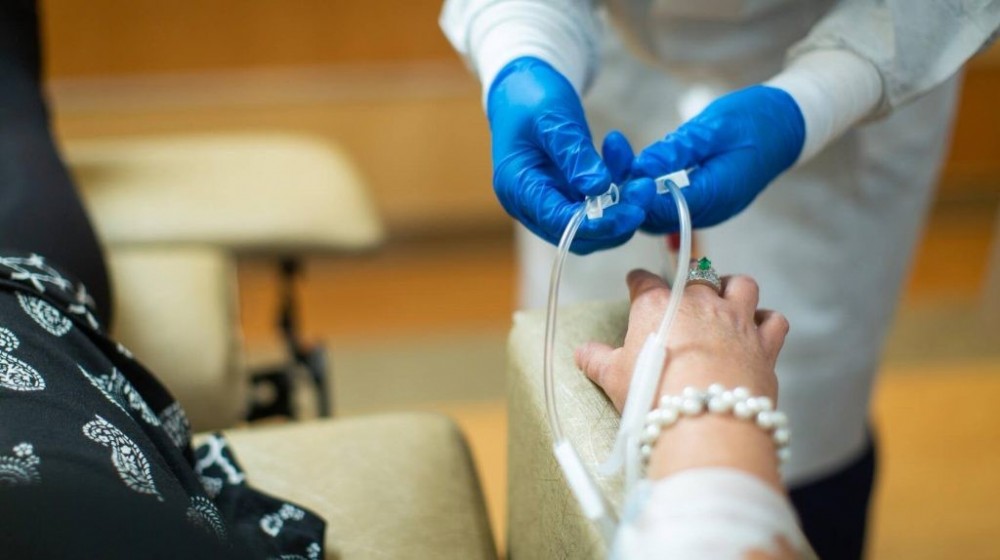
DEAR MAYO CLINIC: I recently found out that my aunt was diagnosed with cancer and may need chemotherapy. When I think of chemotherapy, I picture hair loss, nausea and being too sick to maintain anything resembling a normal quality of life. However, friends have told me that chemotherapy isn't what it used to be. What's changed, and what should someone know about today’s chemotherapy before going into it?
ANSWER: Hearing the word "chemotherapy" can be frightening. Many people picture difficult side effects based on stories from decades ago or what they've seen portrayed in movies. While chemotherapy is still an important cancer treatment, cancer care today has changed dramatically just within the past 10 years.
One of the most common misconceptions is that everyone diagnosed with cancer will need chemotherapy. In reality, cancer treatment is built on several pillars, including surgery, chemotherapy and radiation therapy. More recently, targeted therapies and immunotherapies have expanded treatment options even further.
Depending on the type and stage of cancer, some people may only need surgery or radiation. Others may benefit from newer treatments that don’t involve traditional chemotherapy at all. Treatment plans are often customized, using one or more approaches based on what is best for the individual.
Chemotherapy drugs have evolved, but some of the biggest improvements have come from advances in supportive care. Today, doctors are much better at preventing and managing side effects that once made treatment especially difficult.
Medications to prevent nausea and vomiting are far more effective than they were in the past. Preventive antibiotics and injections that help boost white blood cell production can reduce the risk of infection. These advances mean many people tolerate treatment better and recover more quickly between treatment cycles than patients did years ago.
Beyond chemotherapy
Beyond chemotherapy, newer treatments such as immunotherapy, targeted therapies and cellular therapies are reshaping cancer care. These treatments work differently than traditional chemotherapy by focusing on specific cancer targets or by helping the immune system recognize and attack cancer cells.
For example, CAR T-cell therapy uses a patient's own immune cells, which are modified to better identify and destroy cancer cells. These therapies can be highly effective for certain cancers, though they also come with their own unique side effects and require careful monitoring by specialized care teams.
There’s no single chemotherapy experience. Side effects depend on the specific drugs used, the cancer being treated and the person receiving care. Not all chemotherapy causes hair loss, and many newer treatments don’t cause it at all. For those at risk of hair loss, there are therapies that protect the hair follicles to minimize the amount of hair lost.
When nausea occurs, it is often limited to a few days rather than an entire treatment cycle. Many people can continue parts of their normal routines, including work and family activities, with adjustments as needed. Your cancer care team can also provide tips for reducing nausea and other side effects such as constipation and weight loss or gain.
Modern cancer care takes a team approach. In addition to oncologists and nurses, patients often have access to social workers, nutrition specialists, behavioral health providers, palliative care teams and integrative medicine services. These resources can help manage symptoms, support emotional well-being and address the practical challenges that come with a cancer diagnosis.
Palliative care is sometimes misunderstood. It’s not limited to end-of-life care and can be helpful at any stage of cancer treatment, including when care is given with cure being the goal.
Cancer care today is collaborative. Doctors present options, explain benefits and risks and work with patients to choose a plan that aligns with their goals and values. Seeking a second opinion is encouraged and can provide reassurance when making important decisions.
Chemotherapy and cancer treatment are far more personalized than in the past. Advances in science, supportive care and patient-centered decision-making have given patients more options, more support and greater control over their care.
Javier Munoz, M.D., hematologist-oncologist, director, Lymphoma/CLL Program, Mayo Clinic in Arizona